
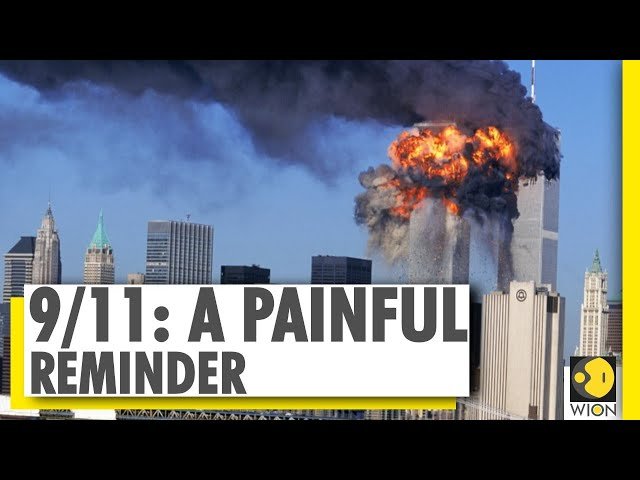
September 11, 2001, is a date etched forever in human memory. For those who lived through it, the images, sounds, and emotions are impossible to forget. It was not just another news story—it was a day when time itself seemed to stop. People around the world watched in disbelief as the United States was attacked in a way that no one imagined possible.
But what were the worst moments of that day? For those alive during 9/11, the day was filled with many moments of fear, grief, and confusion. Some remember where they were when they first heard the news. Others recall watching the towers fall on live television. And for those in New York, Washington D.C., and Pennsylvania, the horror was direct and personal.
This article takes you through the key moments that people remember as the most devastating on that tragic day.
The First Plane: A Shocking Start
At 8:46 a.m., American Airlines Flight 11 crashed into the North Tower of the World Trade Center. Many people at first thought it was a terrible accident—a plane going off course or a pilot error. The idea of a terrorist attack wasn’t the first thought in most minds.
But for those who saw it live in New York City, this was the beginning of unimaginable chaos. People in the streets stopped what they were doing, staring up at the smoking tower. Office workers in nearby buildings evacuated, unsure if they were in danger. The world was still unaware that this was only the beginning.
For many, this first plane was the moment when their sense of safety cracked. The thought that something so unthinkable could happen in broad daylight to one of the most iconic buildings in the world was terrifying enough. But the worst was yet to come.
The Second Plane: Realizing It Was an Attack
Just 17 minutes later, at 9:03 a.m., United Airlines Flight 175 slammed into the South Tower of the World Trade Center. This was the moment when shock turned into pure fear.
It was now clear that this was no accident. America was under attack. Millions of people across the country and the world watched it happen live on TV. Many remember the chilling feeling when the news broadcasters, who had been speculating about an accident, suddenly gasped as the second plane hit.
For those in New York, the fear spread like wildfire. People ran through the streets, some covered in ash and debris. Many were separated from loved ones and had no way to contact them, as cell phone lines went down. Parents rushed to schools to bring home their children. The city, and the nation, realized it was at war with an invisible enemy.
The Towers Burning: People Trapped Inside
Perhaps one of the most haunting memories of 9/11 was seeing the Twin Towers on fire with people still inside. Thousands were trapped above the impact zones, with no way out. The smoke grew thicker, windows shattered, and the flames raged.
Then came one of the darkest moments of the day: some people began jumping from the towers to escape the unbearable heat and smoke. These images remain among the most painful memories of 9/11. Witnesses on the ground described it as unbearable to watch. Many say that moment—realizing that people were so desperate that they jumped from 90 stories up—was the single worst part of the day.
The Pentagon Attack: Nowhere Felt Safe
At 9:37 a.m., another plane, American Airlines Flight 77, crashed into the Pentagon in Washington, D.C. Suddenly, the attack was not just about New York. It was hitting the very heart of U.S. military power.
For those living in or near Washington, the panic was overwhelming. Smoke poured from the Pentagon, and rumors spread that other planes might be heading for the White House or Capitol Hill. Government workers fled their offices, and the nation’s leaders were rushed to secure locations.
This was the moment many Americans realized the scope of the attack—it was coordinated, massive, and nationwide.
The South Tower Collapses: A World in Shock
At 9:59 a.m., just 56 minutes after being hit, the South Tower collapsed. The unimaginable had happened: one of the tallest buildings in the world, filled with people, crumbled into dust before everyone’s eyes.
The ground shook as if it were an earthquake. A giant cloud of smoke and ash covered Lower Manhattan, turning day into night. People ran for their lives, some unable to breathe in the thick dust. Many survivors describe the silence afterward—an eerie, broken silence as they realized thousands of lives had just ended.
For those watching on television, the collapse was surreal. Newscasters were speechless. Millions of viewers around the world wept, knowing that thousands had just been buried alive.
The North Tower Collapses: Final Devastation
At 10:28 a.m., the North Tower also collapsed. In less than two hours, the two symbols of New York City’s skyline were gone.
This was the breaking point for many. The Twin Towers, once seen as unshakable icons of strength and ambition, had disappeared in front of their eyes. Families who had been praying for loved ones inside knew the chances of survival were now nearly zero.
The collapse of the second tower cemented the day as one of the darkest in human history.
Flight 93: The Passengers Who Fought Back
At 10:03 a.m., before the North Tower fell, United Airlines Flight 93 crashed into a field in Shanksville, Pennsylvania. Unlike the other planes, the passengers on Flight 93 had learned about the attacks and decided to fight back against the hijackers. Their bravery prevented the plane from reaching its target, believed to be either the White House or the U.S. Capitol.
For many, this was both one of the saddest and most inspiring moments of 9/11. Sad because all on board lost their lives, but inspiring because they showed courage in the face of certain death.
The Aftermath: A Changed World Forever
By the afternoon, the U.S. airspace was shut down, and fighter jets patrolled the skies. Hospitals prepared for mass casualties, but tragically, far fewer survivors came than expected. Nearly 3,000 people were killed, and thousands more injured.
The smoke rose for days. Families searched desperately for loved ones. Photos of the missing were posted across the city. The skyline of New York was changed forever, but so was the world.
The Worst Moments as Remembered
When people are asked what the worst moment of 9/11 was, the answers vary:
-
The second plane hitting, when people realized it was an attack.
-
Seeing people jump from the burning towers.
-
The South Tower collapsing.
-
The silence and dust that covered the city afterward.
-
The faces of those searching for loved ones who would never return.
But perhaps the true worst moment was the shared feeling of helplessness—the realization that nothing would ever be the same again.
Final Thoughts
For those alive during 9/11, it is not just history—it is memory. Everyone remembers where they were, what they saw, and how they felt. The day was filled with one heartbreaking moment after another, each one leaving scars that time has not fully healed.
The worst moment of 9/11 was not just one single event. It was the sum of all the fear, loss, and grief that unfolded hour by hour. It was the day the world stood still, watching in horror as everything changed in an instant.





Leave a Reply